
...help sustain the life of the lake for the enjoyment of the Lake Kitchawan community
what we do
LKCC works on behalf of the entire lake community to address lake and lagoon issues. Our group is not affiliated with any of the neighborhood associations around the lake, some of which impose dues, and which handle neighborhood issues like road repair. Contributions to LKCC are voluntary; expenses for weed mitigation and other remediation programs are covered through fundraising.
To date LKCC has raised funds from the community to restore balance to the marine environment and get control of weeds such as Eurasian Milfoil, lily pads and pondweed, which threaten lakes throughout the country. Additionally, we are working to mitigate problems from septic systems and storm water runoff as well as to address damage from nuisance animal species.
We coordinate with local and state government bodies on permitting of treatments.
We hold an annual LKCC Members Meeting to provide a review of the year's achievements and discuss plans for the following year.
LKCC has contracted with The Pond and Lake Connection of Brookfield, CT for professional services that encompass monitoring lake water quality in the spring, summer and fall; recommending appropriate treatments for problem areas; applying government-sanctioned treatments; and notifying lakeside residents of upcoming treatments. The company is certified in six states, including New York, Connecticut, Massachusetts, Rhode Island, New Jersey, and Pennsylvania, and is staffed by licensed and experienced aquatic specialists.
In 2022, LKCC contracted with Northeast Aquatic Research (NEAR), a professional limnological research and lake management company to provide an additional analysis of lake conditions. LKCC maintains an ongoing relationship with NEAR.
A 15+ YEAR RECORD OF LKCC ACTION
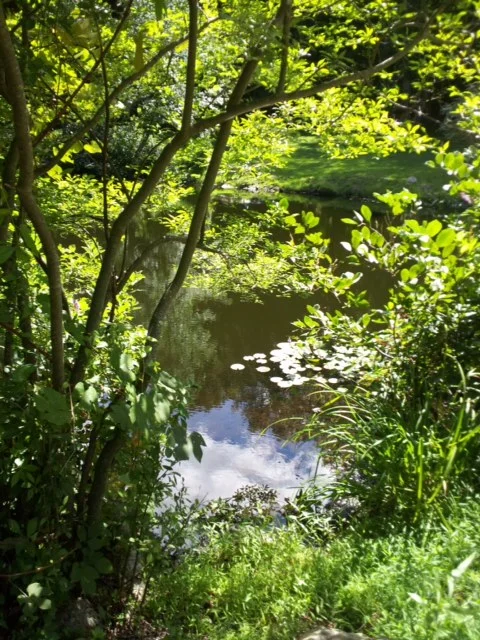
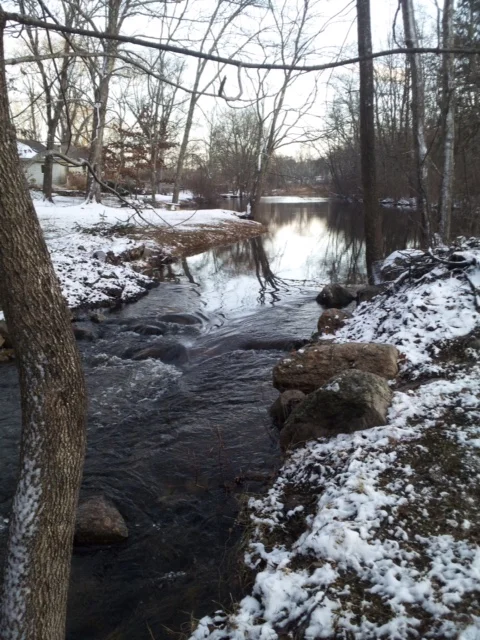
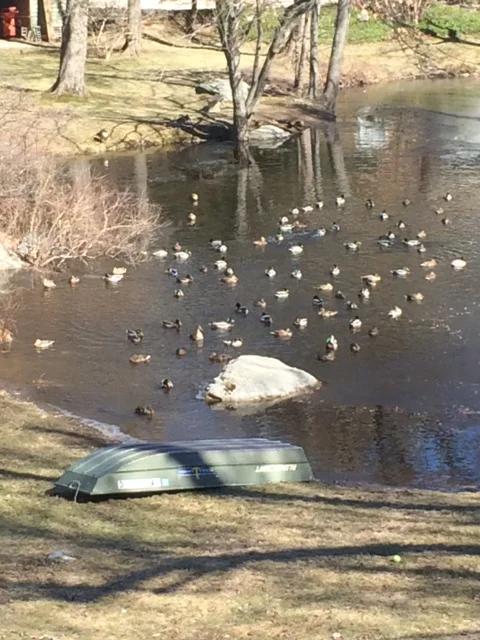
Highlights
2007 Our first project was to write and receive a $25,000 grant from the New York State Department of Environmental Conservation for a comprehensive watershed study to determine the cause of observed weed problems. The remaining cost of the Study -$35,000- was raised by LKCC.
2010 Fundraising newsletter distributed to community; funds raised to undertake the Study’s top recommended treatments to eradicate invasive Eurasian milfoil. Biomass clogging lake outflow was addressed as well.
2011-2012 Fund raising began for hydro raking recommended by the Study.
2013-2014 Hydro raking undertaken in certain areas.
2015 First year of a three-year treatment program to clear milfoil, pondweed and other invasives to further clear and restore outflow and open water conditions.
2016 Second year of treatment the lake system shows much improvement in water quality, milfoil is close to being controlled; lily pads need more work but show improvement. Swans, turtles, ducks and blue herons seen in greater numbers.
2017 Third year of three-year treatment; at year’s end, planned assessment will focus on how to maintain and build upon previous efforts.
Guiding Principles for the Conservation of Lake Kitchawan
Because lakes are temporary phenomena (geologically-speaking) and will silt up over time, maintaining Lake Kitchawan for future generations requires us to think about what it means to live on this lake and adopt certain behaviors and guiding principles. Chief among these are:
Reducing our nutrient input into the lake by maintaining, pumping, and replacing our septic systems; eliminating the use of fertilizers on our lawns; and maintaining storm drains flowing into the lake.
Planting barriers along the waterfront to slow the flow of nutrients into the lake. (This also deters geese from coming up on lawns.) The easiest way to do this is to stop mowing along the edge, but planting works as well.
Disposing of leaves and other debris away from the lake.
Purchasing household products that do not contain phosphorus – the nutrient that stimulates the most growth in bodies of fresh water. Excessive growth speeds up the process of eutrophication*.
Maintaining a healthy ecosystem with a wide diversity of plants, which will also support a healthy fish and animal population. Maintaining the lake bottom in such a way that it is resistant to invasives and algal blooms by encouraging such low-growing aquatic plants as Robbin’s pondweed, Eel grass, and large-leaf pond weed, among others.
Maintaining egress of the lake through its lagoons. This is important to prevent shoreline flooding. It also promotes water turnover and increases both fish habitat and recreational possibilities.
Keeping a close watch out for invasive plants, which can outcompete native plants and throw the lake out of balance, and removing them, as advised. Removal may include harvesting and/or chemical (herbicide) treatment and is always be done with DEC approval, which takes into account fish spawning times and other environmental considerations. Alert boat owners, as well as fishermen, swimmers, and dog owners to the dangers of moving invasives from one body of water to another.
Slowing down the process of eutrophication* and maintaining egress through the lagoons (as well as swimming and boating opportunities) by treating, when necessary, those plants that grow aggressively in the lake, including Illinois pondweed, white water lily, and yellow spatterdock. These are native plants and should not be eradicated. But they can grow aggressively and could block off the lagoons in a single growing season. Lilies can be pulled manually but this is not practical for large areas, and chemical (herbicide) treatments, approved by the DEC for fresh water use and their lack of harm to fish, are available. Striking a balance between growth and overgrowth, especially of water lilies, is necessary to maintain both Lake Kitchawan’s ecosystem and its usefulness for boaters, swimmers and fishermen. Uncontrolled growth of plants reduces oxygen levels in the lake, which harms fish and other aquatic life. In fact, it was the aggressive growth of native and invasive plants in recent decades that spurred residents around the lake to form the LKCC in the early 2000’s and find ways to manage the situation. Since 2022, the LKCC has been advised in its mission to conserve and protect Lake Kitchawan by the limnologist A.J. Reyes of GEI Consultants, who, along with James Gorman of The Pond Connection, advises us on all treatments. No treatments are undertaken without their oversight and DEC approval. Records are kept of all treatments, and residents are advised by email before treatments take place.
Being willing to get in the water and do some of the work ourselves. Water lily patches start out small -- when they can be easily removed. Cutting phragmites below the water level can kill individual plants if done at peak growth in lake July. Chara is actually a floating alga that can be removed by hand before it forms large mats. There are certain invasives weeds, such as milfoil, that propagate by small pieces and should never be dealt with by individuals, but keeping an eye on your waterfront, prevents many small problems from getting bigger.
Appreciating that Lake Kitchawan and its lagoons are complex, living things and treating them with respect. Enjoying them in all seasons!
As of August, 2025, these are the most important principles guiding the Committee that oversees the monitoring and treatment of Lake Kitchawan: the LKCC. In the future, it may be necessary to clarify or add to them. As of 2022, when A.J. Reyes and GEI began advising the LKCC, the goal has been to maintain desirable vegetation at 40-70% coverage throughout the lake with less than 30% of the lake having topped-out vegetation, i.e., vegetation growing to the lake’s surface.
Recommended reading:
Diet for a Small Lake: The Expanded Guide to New York State Lake and Watershed Management
The Devil’s Element; Phosphorus and a world out of balance by Dan Egan Lake Kitchawan 2024 Aquatic Plant Monitoring Memo by GEI Consultants
Lake/Lagoon and Watershed Management Plan for Lake Kitchawan – Pound Ridge, NY ENSR Corporation March 2008 Document NO.:12567-002-100 This initial study of Lake Kitchawan was carried out with a grant from the town of Pound Ridge and a contribution from the town of Lewisboro.
*eutrophication, the gradual increase in the concentration of phosphorus, nitrogen and other plant nutrients in an aging aquatic ecosystem such as a lake. The productivity or fertility of such an ecosystem naturally increases as the amount of organic material that can be broken down into nutrients increases. This material enters the ecosystem primarily by runoff from land. Water blooms or great concentrations of algae and microscopic organisms often develop on the surface, preventing the light penetration and oxygen absorption necessary for underwater life. Eutrophic waters are often murky and may support fewer large animals, such as fish and birds, than non-eutrophic waters.
Below please see examples of treated and untreated areas of the lagoons in 2025